Start with the animals.
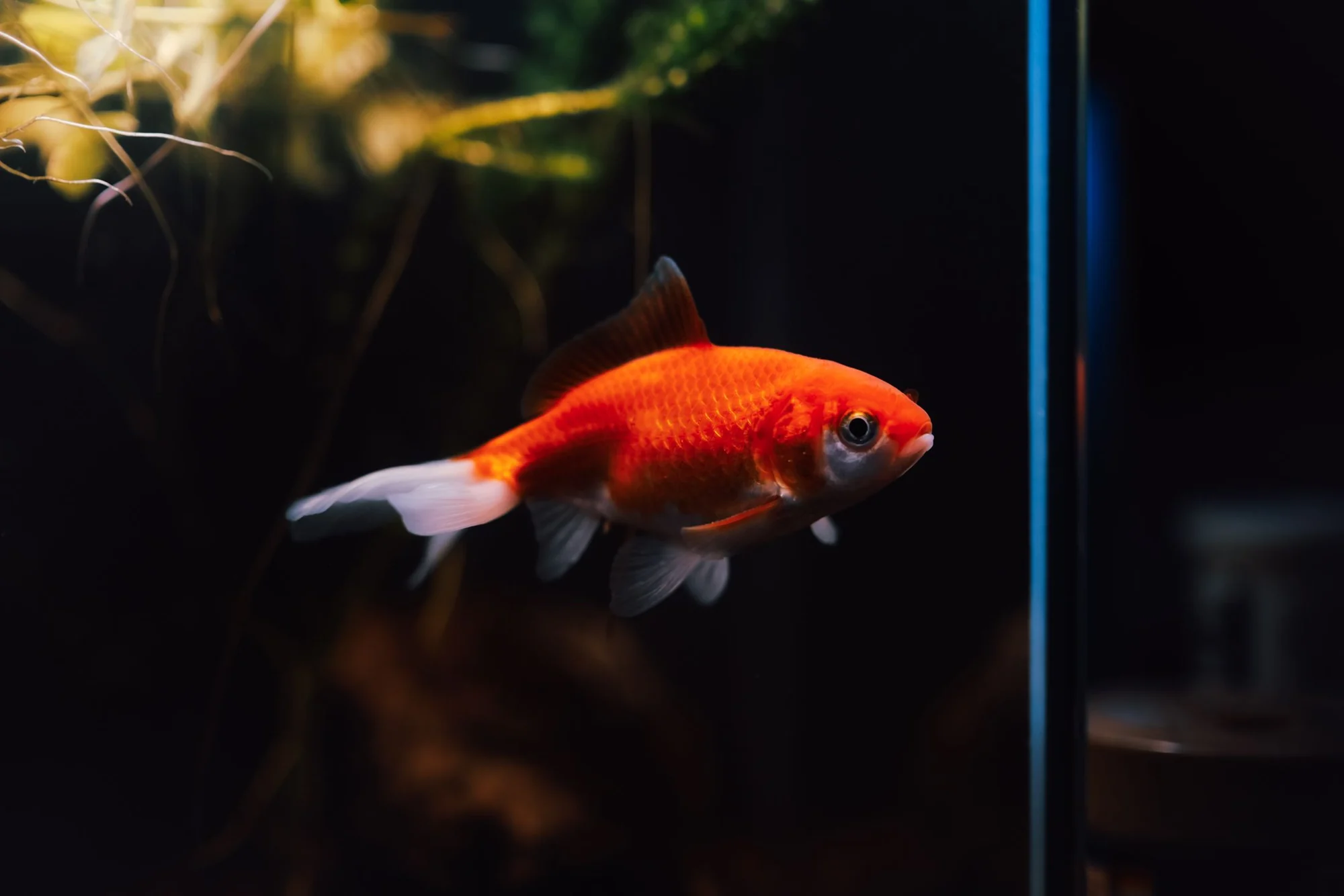
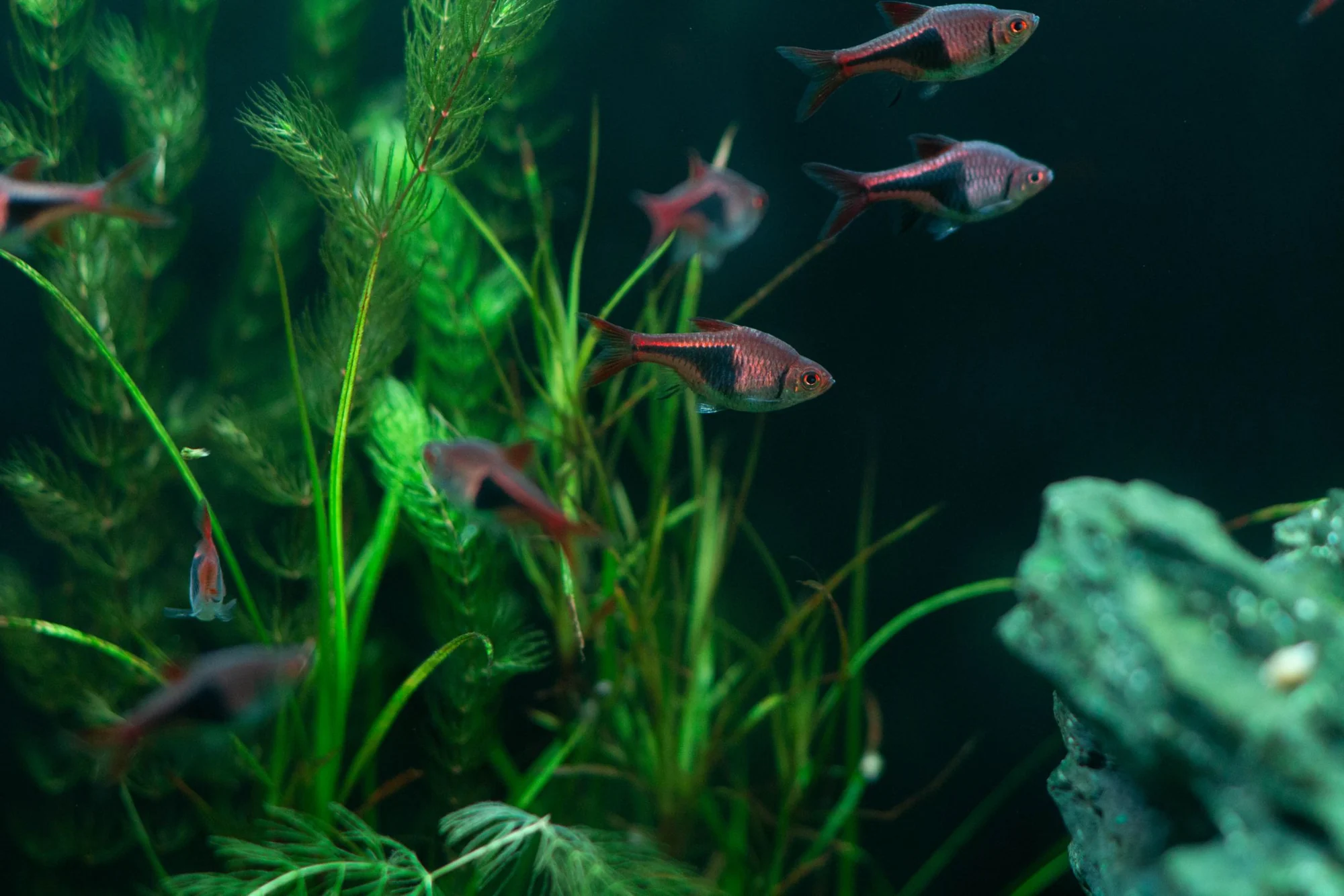
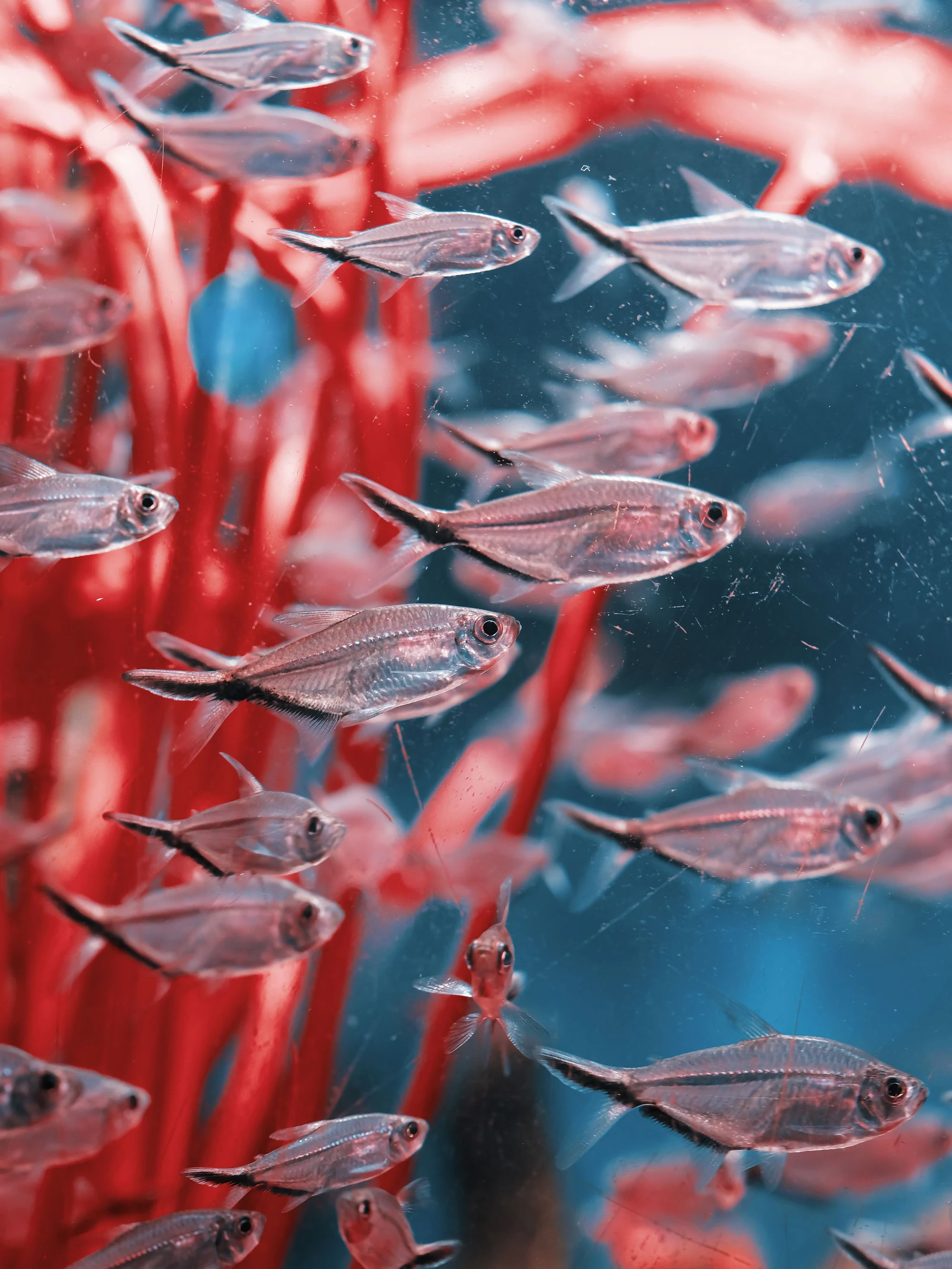
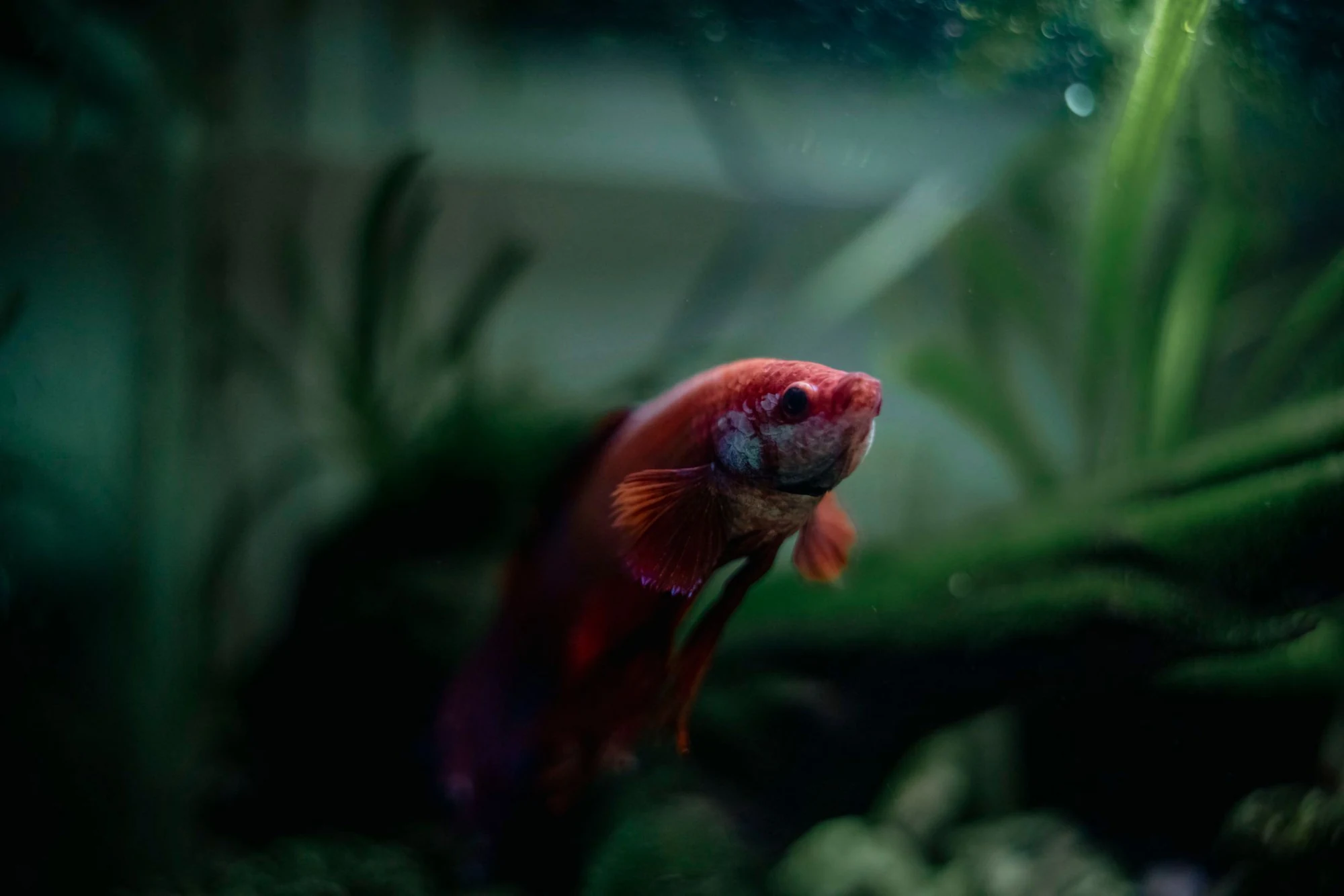
Watch breathing, swimming, feeding and body condition against each fish's usual behaviour. Check temperature, water level and filter flow. A brief look before feeding gives you a useful baseline. Sudden changes belong in the log and may need the help guide.
Sources: UF/IFAS ↗
Set a regular test appointment.
For an established freshwater tank, a weekly testing appointment is a useful starting routine. Test more often during setup, after changes or when fish behave unusually. Record ammonia, nitrite, nitrate, pH and temperature, plus relevant hardness measurements. Use species requirements to interpret the result; a clear tank can contain invisible problems.
Sources: OATA ↗
Prepare replacement water before draining.
Have suitable, treated replacement water ready at an appropriate temperature. Use a dedicated siphon and bucket, remove accessible waste and perform the planned partial change. Choose frequency and amount from your readings, stocking and species guidance. Top-ups replace evaporation; they do not remove accumulated waste. Recheck a problem reading after intervention.
Sources: API ↗ OATA ↗ Merck Veterinary Manual ↗
Protect the filter and check the feeding.
Inspect reduced flow for blockages. Gently clean reusable biological media in removed aquarium water when needed, following the filter instructions. Avoid replacing the whole biological filter during a routine tidy-up. Give food suited to the species and feeding location; check that shy or bottom-feeding fish actually receive it. Uneaten food is a reason to review portions.
Leave a routine another person can follow.
Keep the normal readings, feeding instructions and contact details together. Pre-portion food for a caretaker and explain which equipment changes need a call. Wash hands after maintenance and use gloves when handling aquarium water or rough equipment. Never start a siphon with your mouth.
This routine is primarily for established freshwater aquariums. Marine systems need salinity and livestock-specific checks. A long-neglected tank or distressed fish needs an individual correction plan, not an automatic large reset.
- UF/IFAS: Introduction to fish health management ↗Daily observation, prevention, water-quality screening and case history for professional evaluation. Production/pond observations are adapted cautiously to home-aquarium checks.
- OATA: Test freshwater aquarium water ↗Test rather than judge clarity; ammonia/nitrite, nitrate, pH and hardness; species-specific nitrate requirements; source-water chemistry and partial water changes.
- API: Tap water conditioner label information ↗Manufacturer confirmation that chlorine and chloramine need appropriate treatment and product instructions differ. Not a product ranking, endorsement or universal dose.
- OATA: Set up and look after a freshwater aquarium ↗Equipment, maturing filtration, gradual stocking, routine checks and cleaning biological media in removed aquarium water. Exact water-change percentages and standing-water dechlorination advice are not generalized.
- Merck Veterinary Manual: Management of aquarium fish ↗Fishless cycling, quarantine with separate equipment, clinical history, and careful correction of long-neglected water. Clinical drug, salt and treatment protocols are outside this pack.
- RSPCA: What to feed your fish ↗Food and feeding location depend on species; avoid overfeeding; responsible holiday checks and pre-portioned instructions. Universal meal frequency is not copied.
- CDC: Fish and healthy pet habits ↗Hand hygiene, gloves and cleaning equipment safely; family and maintenance needs. The page's simple inch-per-gallon stocking heuristic is not adopted.