Name the animals before naming the system.
Write a short wish list and check whether it belongs in freshwater, marine or a specialist brackish setup. Do not treat these as interchangeable. For marine plans, distinguish a fish-only system from a reef with corals and other invertebrates. That decision changes the equipment and monitoring you need.
Picture the freshwater routine.
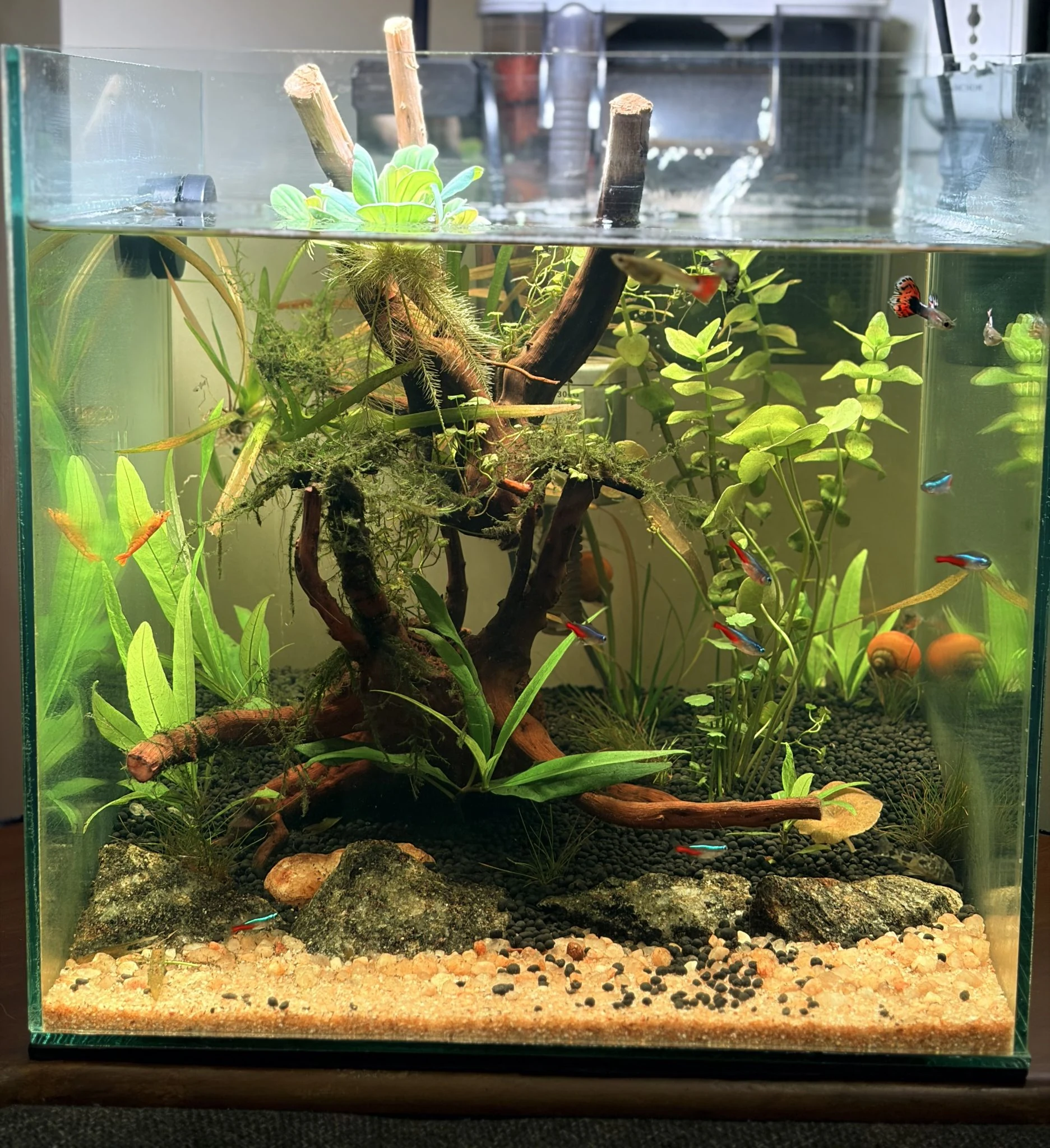
Plan water that suits the fish, working filtration, appropriate temperature and regular tests. Some freshwater species need specialist chemistry, feeding or social arrangements. The word freshwater does not make every fish a suitable beginner choice. A restrained, compatible stocking plan is more useful than a long list of easy fish.
Add the saltwater jobs honestly.
Plan a suitable water source, marine salt preparation and a reliable salinity measurement method. Evaporation removes water while leaving salt behind: routine evaporation top-up uses suitable freshwater, while a water change replaces removed saltwater with appropriately prepared saltwater. Mark and monitor water level instead of guessing from appearance.
Sources: OATA ↗
Treat a reef as its own commitment.
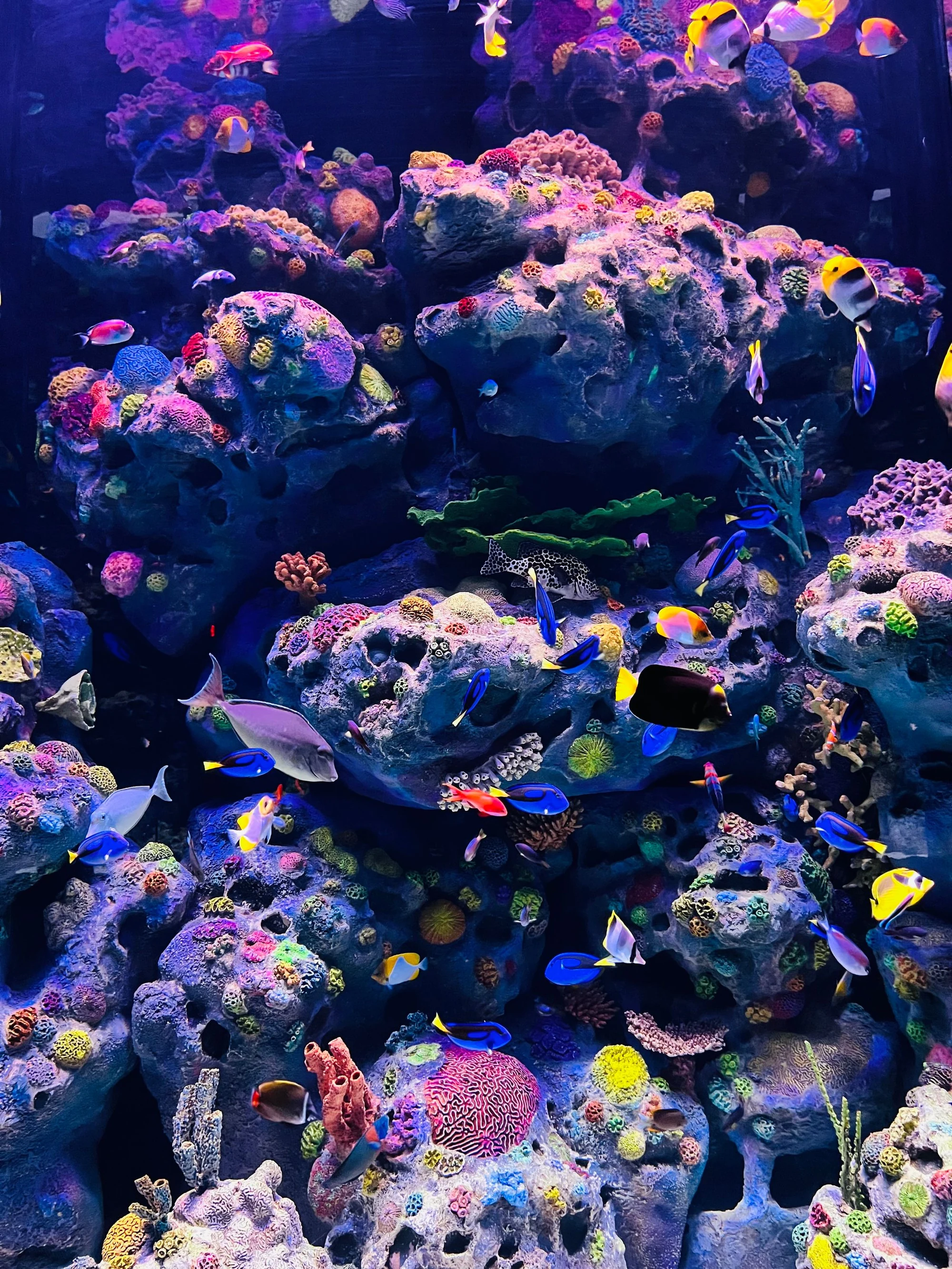
Coral and other invertebrate choices can add lighting, flow, nutrient and mineral requirements. Decide what you intend to keep before buying equipment or additives. Fish-only readiness does not automatically establish that a system suits a chosen coral. Use livestock-specific guidance instead of chasing one ideal set of reef numbers.
Compare a real month, including time away.
List setup equipment, test consumables, water preparation, electricity and replacement costs for each plan. Then write down the weekly tasks and who can cover them when you travel. Choose the version whose routine and contingency plan you can maintain. You can revise the wish list before buying animals.
Costs vary by tank, livestock, location and existing equipment. No universal price premium, beginner species endorsement, coral target or dosing plan is claimed. This comparison is not a complete reef setup manual.
- UF/IFAS: Marine aquarium project book ↗Marine planning, costs, saltwater equipment and the distinction between fish and coral systems. Its example tank sizes, prices and dated weekly stocking calendar are not universal prescriptions.
- CDC: Fish and healthy pet habits ↗Hand hygiene, gloves and cleaning equipment safely; family and maintenance needs. The page's simple inch-per-gallon stocking heuristic is not adopted.
- RSPCA: Keeping fish together ↗Species-specific social needs, compatibility, food competition and water hardness. No universal group number is inferred.
- OATA: Set up and look after a freshwater aquarium ↗Equipment, maturing filtration, gradual stocking, routine checks and cleaning biological media in removed aquarium water. Exact water-change percentages and standing-water dechlorination advice are not generalized.
- OATA: Water quality in marine aquariums ↗Marine salinity, evaporation, freshwater top-up versus matched saltwater replacement, and additional reef chemistry. No universal coral targets or additive doses.
- RSPCA: What to feed your fish ↗Food and feeding location depend on species; avoid overfeeding; responsible holiday checks and pre-portioned instructions. Universal meal frequency is not copied.